How to Write a Screenplay with AI: Format, Structure & Tools
Learn how AI can help you write a properly formatted screenplay from concept to final draft — including structure tips, tool comparisons, and a faster path to production.
Writing a screenplay is one of the most technically demanding forms of creative writing — rigid formatting rules, precise scene headers, and a three-act structure that has to feel invisible. AI tools have matured to the point where they can genuinely accelerate every stage of the process, from breaking your story into acts to generating dialogue that sounds like a real human wrote it. This guide walks you through how to use AI for screenwriting the right way, so the craft stays yours and the grunt work gets handled.
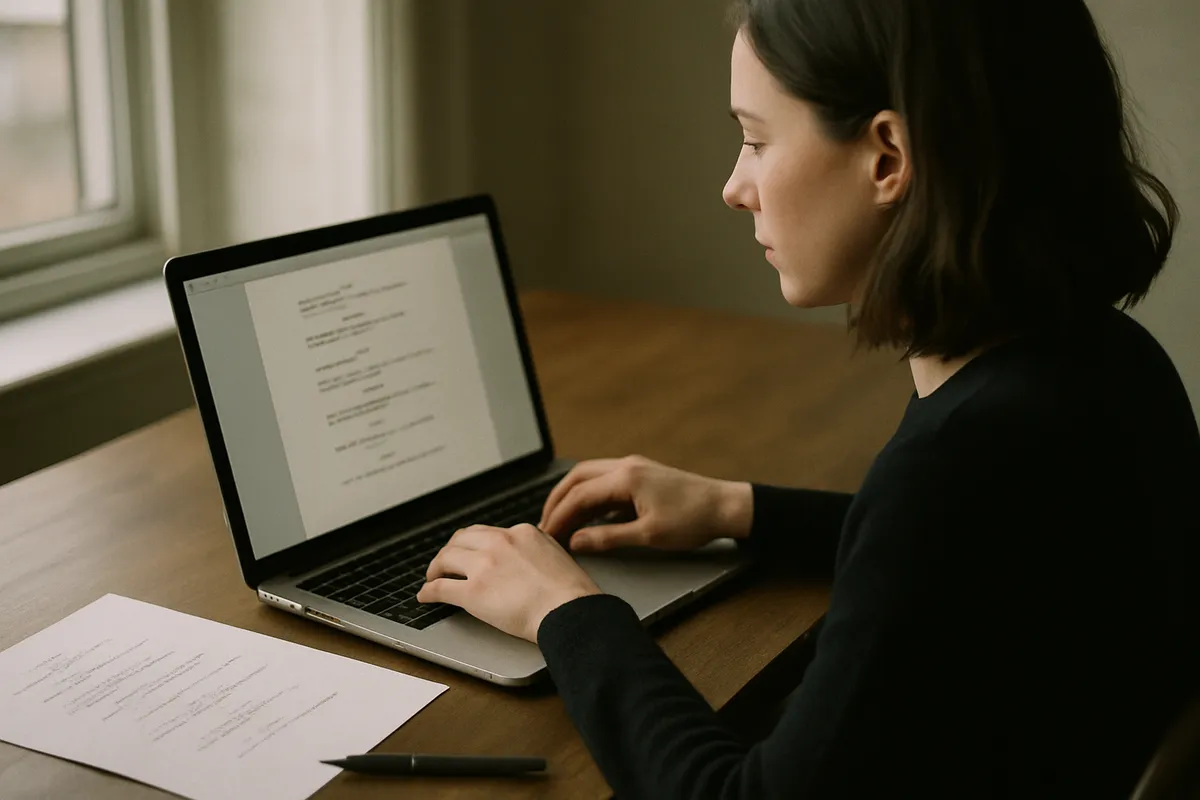
Why Screenplay Format Is Non-Negotiable
Before any AI tool can help you, you need to understand what it is producing. A screenplay is not a story document — it is a production blueprint. Every element follows a convention that crews and actors read at a glance:
- Scene headings (sluglines): INT. COFFEE SHOP - DAY tells the location department exactly what to prepare.
- Action lines: Written in present tense, sparse, describing only what the camera can see.
- Character cues: Centered, all caps, placed directly above the dialogue.
- Dialogue: Indented, conversational, no internal thoughts.
- Parentheticals: Used sparingly to clarify delivery — not to direct every line.
A standard feature screenplay runs 90 to 120 pages, with one page approximating one minute of screen time. Deviating from these conventions signals to any reader — human or industry professional — that the writer is inexperienced. Any AI tool worth using should output text that respects this structure out of the box.
How AI Handles Screenplay Structure
Most AI writing assistants are trained on enough screenplay samples to understand the three-act structure, but they need guidance to apply it to your specific story. Think of the AI as a very fast script assistant, not an autonomous writer.
A reliable workflow looks like this:
- Premise first. Give the AI a one- or two-sentence logline. Be specific about genre, protagonist, and central conflict.
- Build the outline. Ask the AI to break your story into acts and identify the key structural beats: inciting incident, midpoint, climax, resolution.
- Scene-by-scene expansion. Take each beat and ask the AI to draft the scene — location, action, and dialogue.
- Revision pass. Read every scene aloud. Rewrite any dialogue that sounds like it was written, not spoken.
- Format check. Confirm every slugline, cue, and action block is correctly placed.
The key mistake writers make is prompting an AI to “write a screenplay about X” in a single request. The output will be generic and structurally shallow. Breaking the work into stages produces dramatically better results.
Comparing AI Screenplay Tools
Several tools now assist with screenwriting. Here is an honest comparison of the main categories:
| Tool Type | Strengths | Weaknesses |
|---|---|---|
| General LLMs (ChatGPT, Claude) | Strong dialogue, flexible prompting | No native screenplay formatting, no export |
| Dedicated script editors (Highland, WriterDuet) | Correct formatting, collaboration features | Minimal AI integration |
| AI creative studios (Artistik) | End-to-end generation, formatted export, video clip previews | Best for full projects, less for line-level edits |
| Browser plugins | Convenience | Inconsistent format output |
For writers who want to move from prompt to a downloadable, properly formatted draft — including short video clip previews — Artistik handles the full pipeline. You describe your story, and the platform generates a screenplay in TXT format alongside visual clips, giving you a tangible sense of the finished product before you invest in production.
Writing Better Prompts for Screenplay AI
The quality of your output is entirely determined by the quality of your input. Vague prompts produce vague scripts. Here are the variables to include every time:
- Genre and tone: Psychological thriller, dry comedy, action-adventure — these change everything about pacing and dialogue.
- Setting and era: Present-day Chicago versus 1940s Havana changes location, costume, and speech patterns.
- Protagonist goal and obstacle: “A disgraced senator tries to expose a conspiracy before her own party buries the evidence” is a workable premise. “A politician does stuff” is not.
- Desired length: Feature (90-120 pages), short film (5-25 pages), or pilot (30-60 pages).
- Tone reference: Naming two or three comparable films gives the AI a reliable stylistic anchor without limiting your originality.
If you are working inside Artistik’s screenplay tool, these parameters are built into the prompt interface, which removes the guesswork and keeps the output consistent across scenes.
Common Structural Mistakes AI Makes (and How to Fix Them)
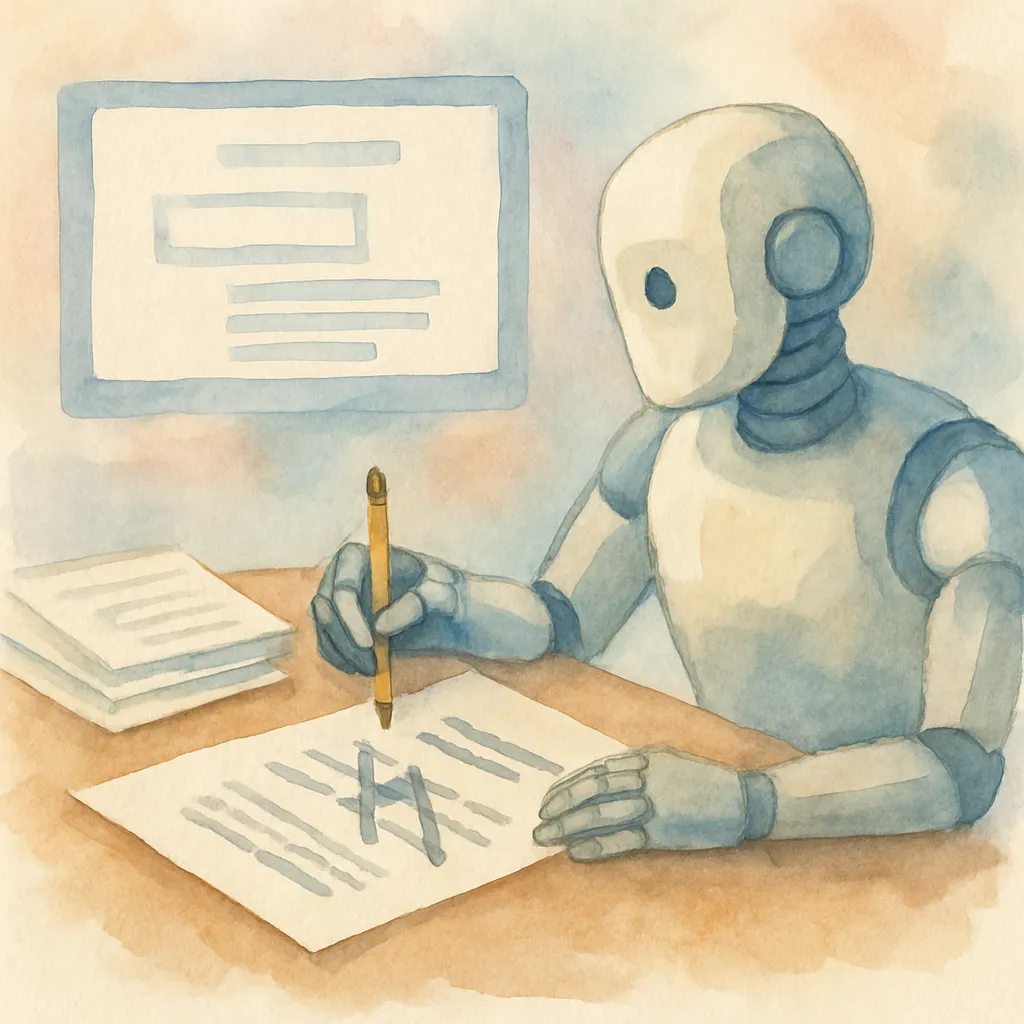
Even well-prompted AI can fall into predictable traps. Know what to look for on your revision pass:
- On-the-nose dialogue: Characters say exactly what they feel. Fix by adding subtext — have them talk around the issue.
- Passive protagonists: The AI often has the protagonist react rather than act. Audit every scene: what does the hero want in this moment?
- Overlong action blocks: AI tends to over-describe. A single, vivid sentence almost always beats a paragraph.
- Missing scene purpose: Every scene must either advance the plot or reveal character. Cut any scene that does neither.
- Inconsistent voice: If you prompt scene by scene, each scene may feel slightly different. Read the full draft in one sitting and normalize the tone.
Turning Your Screenplay into More
One underused advantage of AI-generated screenplays is how easily they convert into adjacent formats. The same story you developed as a script can become an audiobook narration, a podcast episode, or even a graphic novel — each with its own revenue potential and audience.
Writers who work on Artistik can move between formats within the same project. The story bible you built for your screenplay becomes the foundation for a graphic novel adaptation or a serialized podcast. Every file you download is royalty-free and fully yours to sell, license, or distribute. That flexibility is genuinely new in the creative tool landscape.
Frequently Asked Questions
Can AI write a full-length feature screenplay without human input? Technically yes, but the result will be structurally weak and tonally flat. AI is most effective as a drafting and structural assistant. The story choices, character depth, and thematic coherence still require a human perspective guiding the process.
Does AI-generated screenplay content have copyright protection? In the United States, the Copyright Office currently does not extend protection to purely AI-generated material. However, a screenplay where a human author provides the creative direction, makes selection and arrangement choices, and substantially edits the output may qualify for protection. Consult an intellectual property attorney for your specific situation.
What format does an AI screenplay tool export in? This varies by platform. General LLMs export plain text that you must manually reformat. Dedicated tools like Artistik export in TXT with proper screenplay formatting, which can be imported into professional editors like Final Draft or Highland for any finishing work.
How long does it take to generate a screenplay with AI? A short film draft (10-15 pages) can be produced in minutes with a well-crafted prompt. A feature-length draft, developed scene by scene with thoughtful revision between stages, typically takes a few hours of active work spread across sessions.
Start Writing Your Screenplay Today
The gap between a story idea and a formatted, production-ready screenplay used to take months. With the right AI workflow and tools that handle format, structure, and export automatically, that gap is now measured in hours. If you are ready to move from concept to draft, Artistik gives you a clean starting point — describe your story, choose the screenplay format, and walk away with a real file you can take into any writers room or pitch meeting.