How to Outline a Novel Fast with an AI Writing Partner
Struggling to plot your novel before you lose momentum? Learn a proven, step-by-step method for building a solid outline fast using an AI writing partner.
A blank outline document is one of the most paralyzing sights a novelist faces. The good news: an AI writing partner can compress weeks of structural planning into a focused session of a few hours, without stripping the creative ownership from you. This guide walks you through a concrete, repeatable process for outlining a novel fast — from first premise to chapter-by-chapter roadmap — using AI as a thinking partner rather than a ghostwriter.

Why Most Writers Skip Outlining — and Why That Backfires
The most common reason writers avoid outlining is the fear that a rigid plan will kill spontaneity. That fear is understandable but misplaced. A well-built outline is not a cage; it is a load-bearing frame. Without it, most first drafts collapse around the 30,000-word mark — exactly when the initial excitement fades and the writer cannot see the structural path forward.
Outlining also forces you to solve the story’s hardest problems before you have invested months in prose. Discovering in chapter two that your protagonist has no compelling motivation is painful. Discovering it in your outline takes five minutes to fix.
An AI writing partner accelerates this process by stress-testing your ideas, generating options on demand, and keeping the conversation moving when your thinking stalls.
Step 1: Lock in Your One-Sentence Premise
Before opening any AI tool, write a single sentence that answers three questions simultaneously: Who is the protagonist, what do they want, and what stands in the way?
A workable premise sounds like this: A disgraced forensic accountant must expose a decades-old money-laundering ring within her own family before her brother is murdered by the people running it.
Notice what that sentence contains: - A specific protagonist with an implied backstory - A concrete, time-pressured goal - An antagonistic force with stakes attached
Bring this sentence to your AI session. It is the anchor for every decision that follows. If a plot idea does not serve that sentence, cut it.
Step 2: Choose a Story Structure That Fits Your Genre
AI tools can apply multiple structural frameworks. You should pick one before you start prompting, because each framework produces a different kind of pacing:
| Framework | Best for | Key beat count |
|---|---|---|
| Three-Act Structure | General fiction, thrillers | 3 acts, ~8 major beats |
| Save the Cat (Blake Snyder) | Commercial fiction, high-concept | 15 beats |
| Hero’s Journey | Fantasy, adventure, mythology | 12 stages |
| Seven-Point Story Structure | Genre fiction, plot-driven stories | 7 points |
| Fichtean Curve | Literary fiction, character studies | Rising crises, single climax |
Tell your AI writing partner which framework you want to use. A prompt as simple as “Apply the Save the Cat beat sheet to this premise” will generate a usable skeleton in seconds, which you then interrogate and revise.
Step 3: Build Your Story Beats Before Your Chapters

This is the step most writers skip, and it is the most important one. Beats are the structural events of the story — not chapters, not scenes, but the narrative turning points that shift the direction of the plot or the internal state of the protagonist.
Work through each beat with your AI partner by asking generative questions: - What is the worst thing that could happen to the protagonist at this midpoint? - What does the antagonist want that the protagonist does not know about yet? - How does the protagonist’s core flaw actively cause the crisis in act two?
The AI’s job here is to produce options. Your job is to choose. Treat the AI as a development editor who never gets tired and never gets precious about an idea. Push back, request alternatives, and combine suggestions from different responses.
Step 4: Develop Your Characters in Parallel, Not After
A common outlining mistake is treating character development as a separate phase that happens after the plot is set. This creates protagonists who feel like they are being dragged through events rather than driving them.
While you are building beats, pause at each major structural moment and ask: Why would this specific person make this specific choice? If the answer requires the character to act out of personality, you have found a plot-versus-character conflict that will haunt your draft.
Have your AI partner generate a short character profile based on your premise — backstory, wound, want, need, and ghost (the past event that shaped the wound). Then run your beats against that profile. Inconsistencies surface immediately.
Step 5: Expand Beats into a Chapter-by-Chapter Breakdown
Once your beats are solid, use your AI writing partner to expand each one into a brief chapter summary. Each summary should be three to five sentences covering:
- The scene’s opening situation
- The scene’s central conflict or decision
- What changes by the end (plot or character state)
- The hook or question that pulls the reader forward
This expansion phase is where Artistik provides a genuine advantage. Rather than switching between a notes app, a chat window, and a word processor, you can work inside a single environment designed around long-form creative production. When you are ready to move from outline to draft, you can start a novel directly from your structured notes, keeping your premise, beats, and chapter summaries in context as you write.
Step 6: Pressure-Test with the “What If” Protocol
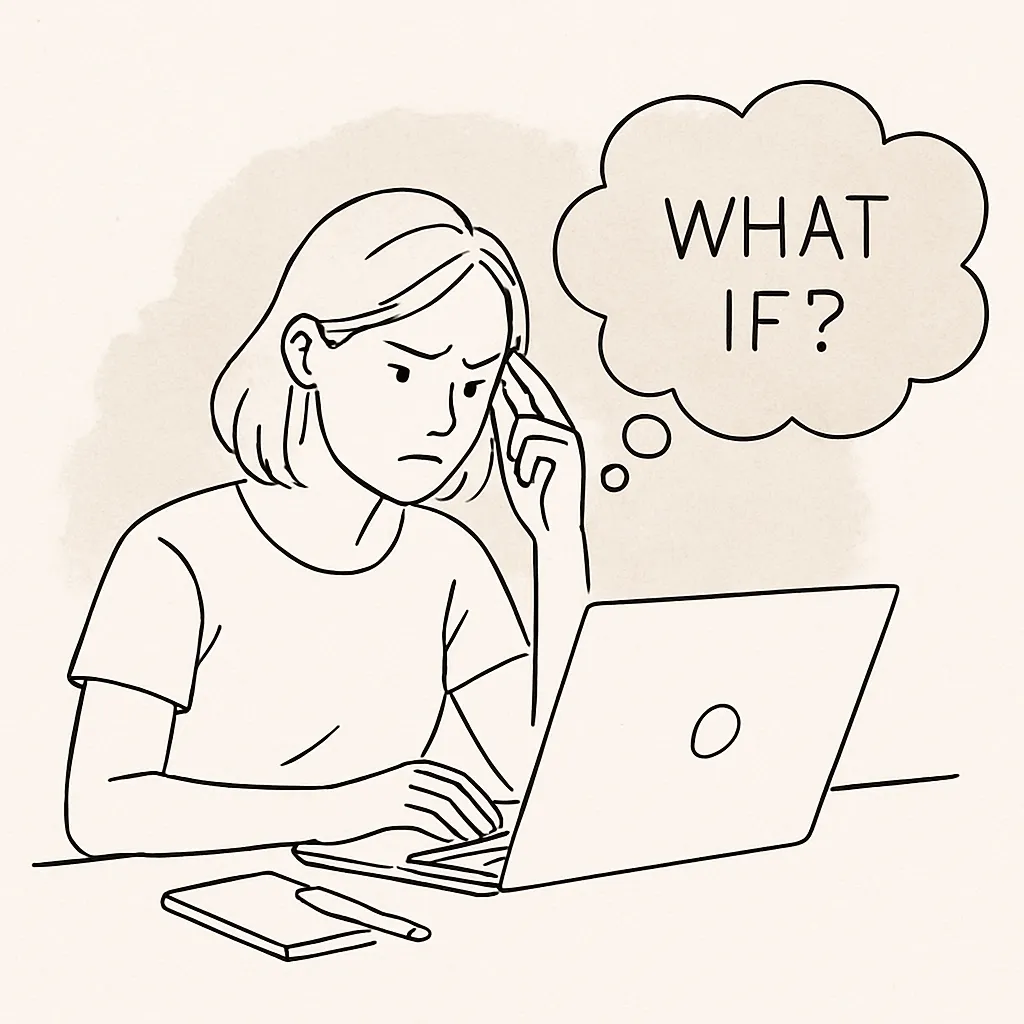
Before you commit to your outline and begin drafting, run a deliberate stress test. This takes thirty minutes and can save you from a structural collapse midway through your manuscript.
For each act break and each major beat, ask your AI partner: What if the opposite happened? Not to use the opposite answer, but to understand why your current choice is better — or to discover that the opposite is actually more interesting.
Also ask: - What does the antagonist do between chapters? Does their plan hold up? - Where does the reader know something the protagonist does not? - Is there a scene where the protagonist genuinely could lose?
Weak outlines fail these questions. Strong ones pass them and get stronger in the process.
Step 7: Format Your Outline for the Draft Phase
The final outline document should be something you can work from without having to reread the whole thing before each writing session. A practical format:
- One-sentence premise at the top
- One-paragraph synopsis below it
- Act divisions clearly labeled
- Each chapter listed with its three-to-five-sentence summary
- Character arc notes in a sidebar or appendix
If your novel will eventually become an audiobook or graphic novel adaptation, note those possibilities in your outline now. A scene written with strong interiority may not translate to audio; a visually kinetic action sequence might be better suited to a graphic novel format. Planning multiformat use from the outline stage makes later adaptation far smoother.
Frequently Asked Questions
Does using AI to outline mean the story is no longer mine? No. The AI generates options and responds to your direction; every structural decision is made by you. Think of it the way a novelist might think of working with a story consultant — the consultant asks questions and offers suggestions, but the author controls what goes on the page.
How long should an outline be before I start drafting? For a standard 80,000-word novel, a workable outline typically runs 2,000 to 4,000 words. That is enough to give each of your 30 to 40 chapters a clear purpose without over-scripting the prose.
What if I discover a better story direction halfway through outlining? Pivot immediately. Outlining is cheap; rewriting 40,000 words is not. One of the advantages of working with an AI partner is that you can restructure a beat sheet in minutes rather than days.
Can I take my finished outline straight into a novel draft? Yes. Once your chapter-by-chapter breakdown is complete, you have everything you need to write scene by scene. Tools like Artistik are designed to carry that structured intent through to a finished, downloadable manuscript, so nothing gets lost between planning and production.
Start Outlining Today
A solid novel outline is not a luxury reserved for experienced authors — it is the single most effective way to protect the time and energy you are about to pour into a draft. With an AI writing partner accelerating the structural work, you can move from raw idea to complete chapter roadmap in a single focused day. Head to Artistik, bring your one-sentence premise, and find out how quickly your story can take shape.