How to Make a Micro Drama With AI
Turn one sentence into a finished 9:16 micro drama episode. Learn the structure, casting, captions and real per-episode cost, step by step.
A micro drama is a short vertical episode built to hook someone in the first three seconds and leave them needing the next part. The good news: you can go from a single sentence to a finished 9:16 video with a cast, voices and captions without a camera, actors or an editing timeline. This guide walks you through the structure, the casting, the captions and exactly what one episode costs.
What a micro drama actually is
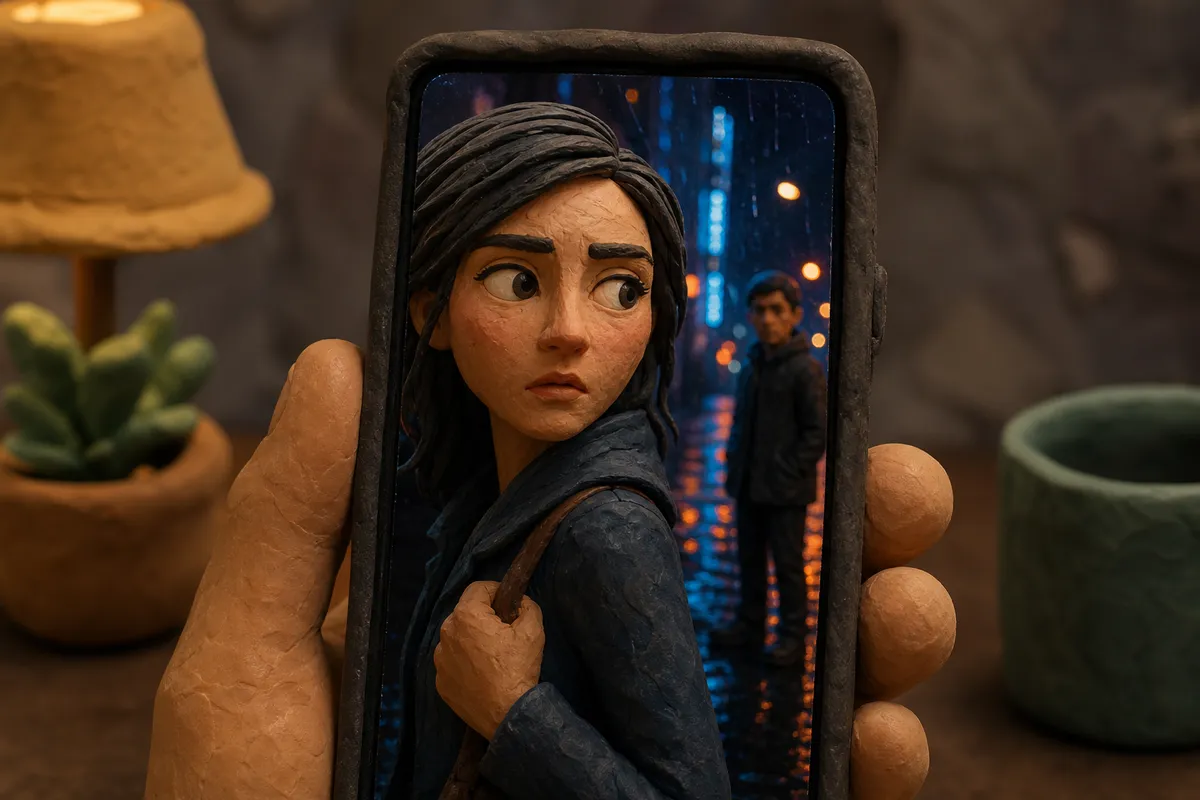
Micro dramas are the bite-sized, cliffhanger-driven episodes you see scrolling on TikTok, Reels and Shorts. Each one is vertical (9:16), usually under three minutes, and ends on a turn that pulls you into the next episode. The genre leans on big, clear emotions: a secret revealed, a betrayal, a second chance, a reversal of power.
What makes them work is not expensive production. It is pacing. A micro drama earns its watch time by moving fast, cutting on tension, and never wasting a shot. That is a structure you can plan, which is exactly why AI handles it so well.
On Artistik, the Micro Drama format takes one sentence and returns a 1080x1920 MP4 plus the script. You pick a length, a genre and a look, and it builds a shot-by-shot episode with a consistent cast, voices and word-by-word karaoke captions burned in. You can add music and sound effects, and you can work in 13 languages for the script, voices and captions.
Start with one strong sentence
Everything flows from your opening line. Before you touch any settings, write the hook you would say to a friend to make them say “wait, what happens next?”
A weak hook describes a situation. A strong hook promises a collision. Compare:
- Weak: “A woman starts a new job at a big company.”
- Strong: “On her first day, she discovers her new boss is the stranger she ruined last night.”
The second one has a secret, a power gap and a ticking clock built in. That single sentence is enough for Artistik to plan a whole episode, but the more specific your collision, the better the result.
Here is a prompt you could paste in as-is:
A broke barista spills coffee on a cold billionaire, and instead of a lawsuit he hands her a contract that will change both their lives. Romance, cinematic look, standard length, with a cliffhanger ending.
Notice it names the collision, the genre, the look and the length. You do not have to format it perfectly. The tool will fill the gaps, but giving it the emotional core up front keeps the whole episode pointed in one direction.
Pick your genre, look and length
Once you have your hook, three choices shape the feel of the episode.
Genre
Micro Drama offers romance, revenge, billionaire, secret identity and thriller. These are not limits on your plot so much as emotional lanes. “Revenge” pushes the escalation toward payback. “Secret identity” leans on dramatic irony, where the audience knows something a character does not. Pick the lane that matches the promise in your hook.
Look
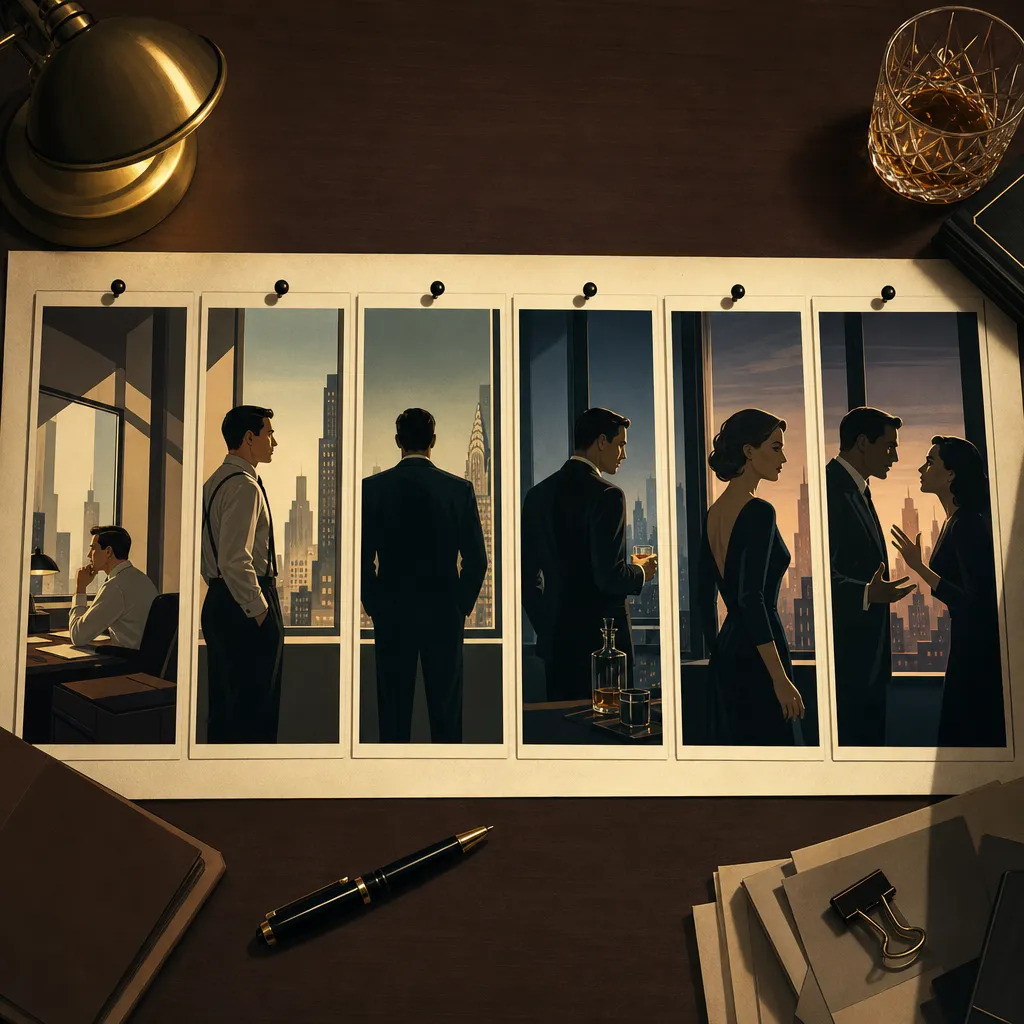
You can choose cinematic, anime, webtoon, 3D, noir or painterly. The look sets the entire visual tone, so match it to your audience. Cinematic and noir read as grounded and adult. Anime and webtoon read younger and more stylized. If you are unsure, cinematic is the safe, broadly appealing default.
Length
Three lengths map to shot counts: quick (about 6 shots), standard (about 9 shots) and binge (about 12 shots). All stay under three minutes. Quick is great for testing a hook cheaply. Standard is the workhorse for a normal episode. Binge gives you room for a fuller arc when you know the idea is working.
Understand the three production modes
This is the choice that affects both how your episode looks and what it costs, so it is worth understanding clearly.
- Narrated storyboard — Still frames with a slow push-in, voiced and captioned. This mode works with the free starter credit, which makes it the cheapest way to see your whole story play out. It looks like a motion-comic version of your drama.
- Motion — Animated clips instead of stills. This uses purchased credit and feels much closer to film.
- Hybrid — Motion plus lip-synced talking scenes, so characters actually speak on camera. This is the richest option and also uses purchased credit.
A smart workflow is to build in narrated storyboard first. Because it needs no purchased credit, you can read the script, check the pacing and confirm the cliffhanger lands before you spend anything on motion. When you are happy with the story, regenerate the strongest episodes in motion or hybrid.
The hook-escalation-cliffhanger structure
Artistik writes each episode on a shot-by-shot hook, escalation, cliffhanger spine. It helps to know what that means so you can judge and tweak the result.
The hook is your first one or two shots. It has to land the collision immediately, often before any setup. In vertical video, the first three seconds decide whether someone keeps watching, so the hook should drop the audience into the most interesting moment, not the backstory.
The escalation is the middle. Each shot should raise the stakes or tighten the screw: a secret gets closer to coming out, a choice gets harder, the power balance shifts. The rhythm is relentless. If a shot does not escalate, it does not earn its place.
The cliffhanger is the last shot. It should pose a question the next episode answers: who is at the door, what does the letter say, will she say yes. A good cliffhanger feels like a door slamming right before the reveal.
If your draft sags, it is almost always because the middle stopped escalating or the cliffhanger resolved too much. Those are easy fixes: sharpen the hook, cut a flat shot, or pull back the final reveal by one beat.
Keeping the cast consistent
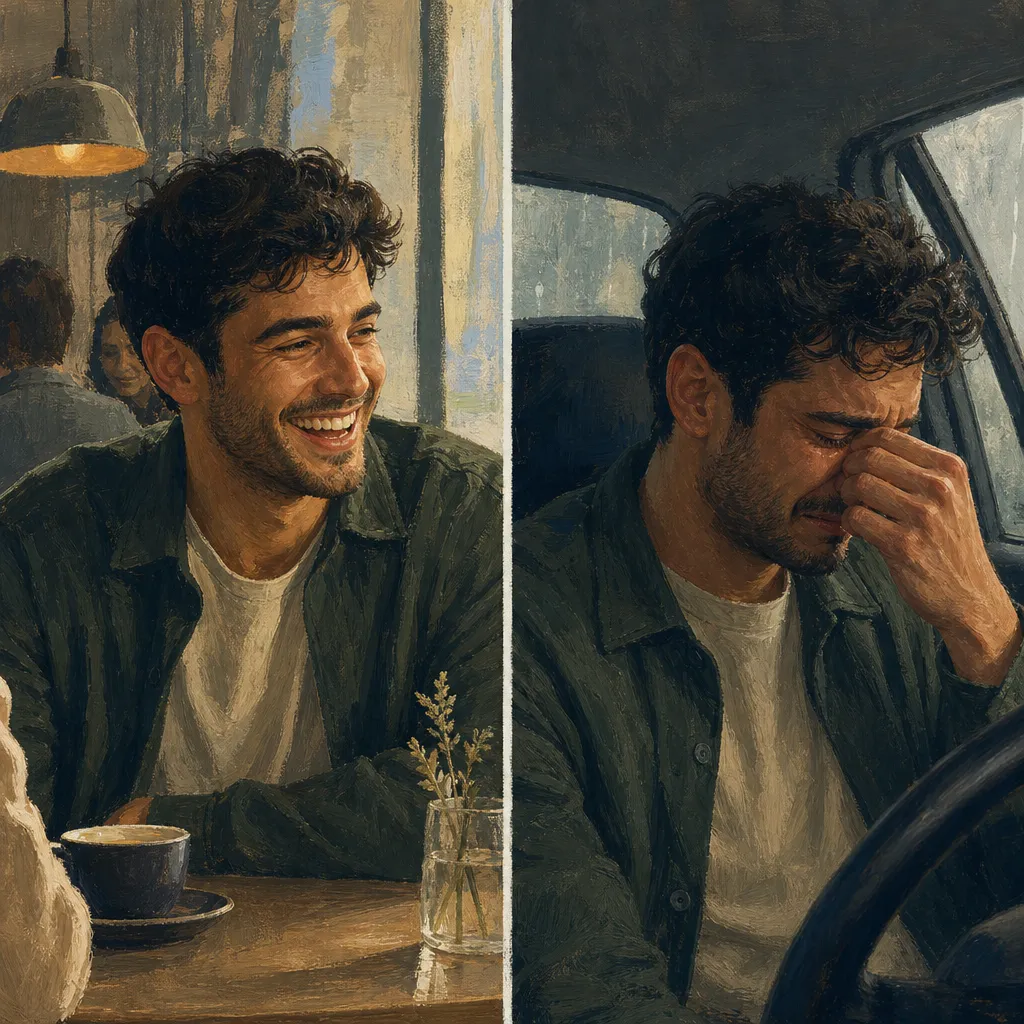
Nothing breaks a drama faster than a character whose face changes between shots. Micro Drama keeps a consistent cast across the shots in an episode, so your lead looks like the same person from the hook to the cliffhanger. Each character also gets a voice, which carries a surprising amount of the emotion.
This consistency matters even more when you move beyond a single episode. The format supports planning a whole series, so a full season can be mapped out with a persistent cast. That is what turns a one-off clip into a show people follow, waiting for the next drop. If you are thinking in seasons from the start, name your main characters clearly in your first prompt and keep those names across episodes.
A quick tip: describe your characters by role and a defining trait rather than a long physical list. “The cold billionaire with a guarded half-smile” gives the cast design something to hold onto better than a paragraph of features.
Captions, music and sound
Vertical video is often watched on mute or in loud places, so captions are not optional, they are the script. Micro Drama burns in word-by-word karaoke captions, where each word highlights as it is spoken. That style keeps attention because the viewer’s eye tracks the moving word.
You can also add music and sound effects. Music sets emotional temperature and sound effects punctuate the beats, a door, a gasp, a phone buzz. These small touches are the difference between a flat read and a scene that feels alive. If you are posting a series, keep your music mood consistent across episodes so the show has a recognizable feel.
Because the script, voices and captions all work in 13 languages, you can also produce the same episode for another market without starting over. That is a genuine advantage if you are chasing audiences beyond English.
Step by step: from sentence to finished episode
Here is the full workflow, start to finish.
- Write your one-line hook. Make it a collision, not a situation. Name the secret, the stakes or the reversal.
- Open the Micro Drama format on web, iPhone or Android and paste your hook.
- Choose genre, look and length. Match the genre to your hook’s emotion, pick a look for your audience, and start with standard length unless you are testing.
- Generate in narrated storyboard mode first. It works with the free starter credit, so you can read the whole episode before spending.
- Read the shot-by-shot script. Check that the hook lands in the first shot, every middle shot escalates, and the cliffhanger holds back the reveal.
- Adjust the brief and regenerate if needed. Tighten the hook, cut a flat beat, or sharpen the ending.
- Add music and sound effects once the story works.
- Upgrade the keepers to motion or hybrid. When an episode is clearly strong, regenerate it with animated or talking scenes using purchased credit.
- Preview, then keep your piece. Previews are watermarked; once you keep an episode it is yours, royalty-free, with commercial use allowed and no attribution required.
- Plan the next episode or the season. Reuse your cast and keep the cliffhanger promises you made.
What it costs to make a micro drama
A finished Micro Drama episode measures about $0.10 to $6, depending mostly on length and mode. Narrated storyboard sits at the low end and works with the free starter credit; motion and hybrid cost more because they render animation and lip-synced talking. Here is how it compares to related formats on Artistik.
| Format | Typical cost per piece |
|---|---|
| Micro Drama | about $0.10–$6 |
| Short-form video | about $0.15–$1 |
| Webtoon | about $0.35–$0.60 |
| Screenplay | about $0.15–$1 |
Paying is simple. Your first piece is on us, with up to $1 of free credit, so you can make and preview something before you decide. Keep any single piece for a one-off $4.99, or add credit from $5 (bigger packs add a bonus). Monthly plans start at $9 and remove watermarks. Motion and hybrid episodes run on purchased credit, but a one-time pack is enough, so you do not need a subscription to use them. See pricing for the full breakdown.
Honest limits to keep in mind
A few things are worth knowing before you start so the result matches your expectations.
Episodes are short by design, under three minutes, so a micro drama is an episode, not a feature. The depth comes from running a series, not from stretching one clip.
Motion and hybrid modes use purchased credit, while narrated storyboard works with the free starter credit. Build your story in storyboard mode first and only spend on motion once the episode earns it.
The cast is generated and consistent within and across episodes when you plan it that way, but it is an AI cast, not real actors. And Artistik makes the finished video; it does not post to your accounts or manage your channels for you.
If you want a longer narrative to adapt, a Screenplay gives you a formatted first draft, and a Webtoon turns a similar premise into a vertical-scroll comic. Many creators test a hook as a micro drama, then expand the winners.
Frequently asked questions
How long does a micro drama episode take to make? You paste one sentence, pick a few settings, and Artistik builds the shot-by-shot episode for you. The slowest part is your own review of the script and frames, which is why starting in free narrated storyboard mode is worth it.
Do I own the episodes I make? Yes. Once you keep a piece it is yours, royalty-free, with commercial use allowed, no attribution and no revenue share. Previews are watermarked until you keep the piece or you are on a plan that removes watermarks.
Can I make a whole series with the same characters? Yes. Micro Drama supports planning a full season with a persistent cast, so your lead looks and sounds like the same person across episodes. Keep character names consistent in your briefs to help it hold the cast together.
What is the difference between narrated storyboard, motion and hybrid? Narrated storyboard uses still frames with a slow push-in and works with the free starter credit. Motion animates the clips, and hybrid adds lip-synced talking scenes; both use purchased credit for a more film-like result.
Can I make episodes in another language? Yes. The script, voices and captions all work in 13 languages, so you can produce the same episode for a different audience without rewriting it from scratch.
Start your first episode
The hardest part of a micro drama is the one sentence, and you already have one in your head. Drop it into the Micro Drama format, build it in free narrated storyboard mode, and watch your hook turn into a finished vertical episode you own. When one lands, make the next, and you have a show.